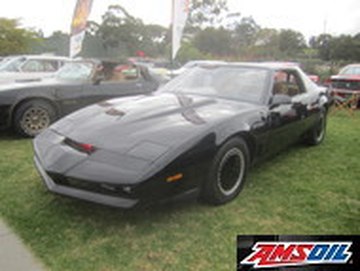
Engine Lubrication and Maintenance for the 1982 Pontiac FIREBIRD 2.8L
Maintaining a vehicle from the early 1980s requires a shift in perspective compared to modern automotive care. For owners of a 1982 Pontiac FIREBIRD equipped with the 2.8L engine, routine service is not just about following a schedule; it is about monitoring the physical condition of aging components and ensuring that lubrication remains effective despite the passage of time.
Monitoring Fluid Integrity and Potential Seepage
As vehicles age, the materials used in gaskets and seals can undergo changes in elasticity. For a 1982 FIREBIRD, regular visual inspections are a primary tool for identifying potential issues before they escalate. Rather than waiting for a significant leak to appear on the driveway, owners should look for signs of seepage around various engine junctions.
When performing routine checks, pay close attention to the following areas:
- Sealing Surfaces: Inspect the areas where major engine components meet. Any evidence of dampness or oily residue can indicate that a seal is beginning to lose its effectiveness.
- Drain Areas: Check the area around the oil drain plug and the filter mounting surface for any signs of weeping or slow drips.
- External Connections: Look at various connections and junctions where fluids circulate, ensuring there is no evidence of active leakage.
It is important to note that a small amount of residue does not always indicate an immediate failure, but it serves as a vital indicator for future maintenance planning. Identifying these signs early allows for more controlled and cost-effective repairs.
Observing Changes in Engine Operation
Beyond visual inspections, the way the 2.8L engine behaves during operation can provide significant clues regarding its lubrication health. Because symptoms can often be associated with multiple different mechanical causes, any change in performance should be treated as a prompt for further investigation rather than an immediate diagnosis.
Owners should remain observant of several key indicators:
- Lubricant Consumption: If you notice that the oil level on the dipstick is dropping more frequently than expected between service intervals, this warrants a closer look at the engine's condition.
- Unusual Noises: Any new or changing mechanical sounds during startup or while idling may be related to how the engine is being lubricated.
- Exhaust Observations: While exhaust color can be influenced by many factors, certain changes in smoke appearance should be investigated to rule out internal lubrication issues.
- Warning Indicators: If any dashboard indicators related to oil or engine temperature illuminate, these require immediate attention to prevent potential damage.
If you notice any of these signs, the most effective course of action is to consult a professional to determine the exact cause through proper diagnostic procedures.
Prioritizing Long-Term Maintenance Decisions
For an owner of a classic vehicle like the 1982 Pontiac FIREBIRD, maintenance should be driven by the current condition of the car rather than just its age. A vehicle that has been stored in a climate-controlled environment may have different needs than one that has seen heavy daily use.
Establishing a maintenance baseline is highly beneficial if the previous service history of the vehicle is unknown. By documenting every oil change, filter replacement, and inspection, you create a roadmap for the vehicle's future care. This record-keeping helps in distinguishing between necessary preventive maintenance and unnecessary parts replacement. For example, if your records show consistent lubrication changes, you can more easily identify when a new symptom is actually an anomaly.
When managing an older engine, focus on addressing active concerns first—such as visible leaks or changes in fluid color—before moving on to broader preventive tasks. This approach ensures that resources are directed toward the most critical aspects of the vehicle's health.
Managing Aging Engine Components
In addition to lubrication, other components within the engine bay require periodic attention. While many parts are designed for longevity, the environmental factors affecting a 1982 model can impact their service life.
If equipped, inspect all accessible drive belts for signs of deterioration such as cracking, glazing, or fraying. Similarly, if the vehicle is equipped with various rubber hoses, check them for softness, brittleness, or bulging. Electrical connections and wiring harnesses should also be inspected for any signs of corrosion or insulation damage that could affect engine performance.
Regularly checking the condition of the air filtration system is another essential task. A clean air intake ensures that the engine can breathe efficiently, which indirectly supports the overall health of the lubrication system by reducing the amount of particulate matter entering the combustion chamber.
The Role of Lubrication in Engine Health
Engine oil performs several vital roles that are critical to the continued operation of the 2.8L engine. Beyond simply reducing friction between moving parts, the lubricant plays a significant role in managing the thermal environment within the engine. It helps carry heat away from high-friction areas, assisting the cooling system in maintaining stable operating temperatures.
Furthermore, modern oil formulations are designed to manage contaminants. As an engine operates, small amounts of combustion byproducts and other debris can enter the oil. High-quality lubricants contain additives that help keep these particles in suspension, preventing them from settling and forming deposits or sludge that could otherwise interfere with mechanical movement.
Practical Advice for BUYING ENGINE OIL for your 1982 Pontiac FIREBIRD 2.8L
When it is time to replenish the lubrication in your engine, the most important step is to ensure the product you select matches the specific requirements of your application. Rather than relying on general automotive knowledge or assumptions based on the age of the vehicle, always refer to the technical data provided for your specific engine.
To make an informed purchase, follow these guidelines:
- Match Application Information: Use the vehicle-specific oil viscosity and application details that are explicitly listed in the information section on this webpage.
- Verify API Certification: Ensure that any oil you purchase carries a current and appropriate API certification to guarantee it meets modern standards for quality and performance.
- Consider Formulations: Depending on your specific needs, you may choose between conventional, synthetic blend, or full synthetic oils. Some high-mileage formulations also include seal-conditioning additives which may be useful for aging engines.
- Check the Label: Always double-check the product packaging against the requirements listed on this page before completing your purchase to avoid any errors in viscosity or specification.
By strictly adhering to the application-specific information provided, you ensure that your 1982 Pontiac FIREBIRD receives the exact type of lubrication necessary for its continued operation.